Sauces · French cuisine
Hollandaise
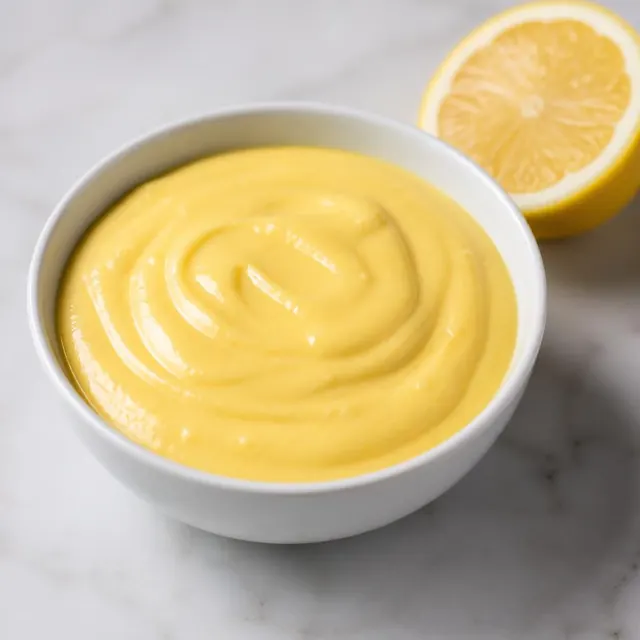
A warm emulsion of butter in egg yolks with a vinegar reduction and lemon – and the mother of béarnaise.
At a glance
- Origin
- France; among the basic sauces of Escoffier’s English edition (1907).
- Production
- Yolks whisked with a vinegar reduction, butter worked in gradually off the heat.
- Ratio
- Escoffier: 6 yolks to 1½ lb butter for 1 quart of sauce.
- Use
- Base of béarnaise and other warm butter sauces.
Hollandaise is a warm emulsion: melted butter dispersed in droplets through egg yolks, sharpened with a vinegar reduction and a drop of lemon. It is one of the sauce emulsions, alongside mayonnaise and beurre blanc; unlike cold mayonnaise made with oil, it is made warm and with butter.
Escoffier first reduces vinegar with pepper, salt and water, adds the yolks and whisks them over gentle heat to the thickness of cream. Then, off the heat, he whisks in the butter little by little and finishes it with lemon. He warns that once fat has been added, a yolk-thickened sauce must not go above about 60 °C or it will separate.
Béarnaise is its derivative: a reduction of vinegar with shallot, tarragon and chervil, yolks and butter, finished with fresh herbs. Escoffier describes it as a mayonnaise made with butter that should only be tepid.