Flours and grains
20 entries
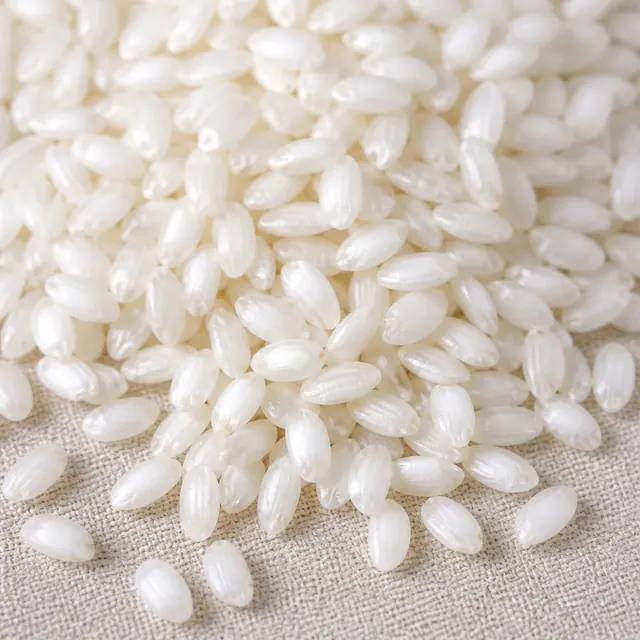
AI illustration Arborio rice
Italian cuisine
Italian rice with a large, fairly broad grain and an extensive pearly core – a classic choice for risotto.
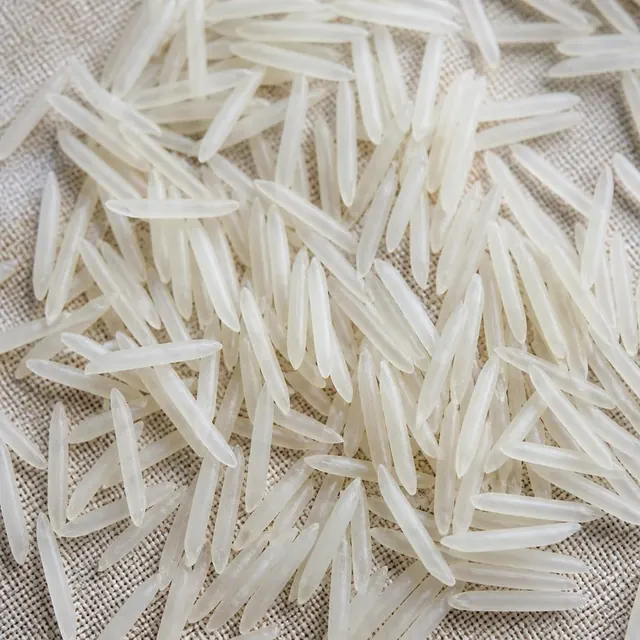
AI illustration Basmati rice
International
Aromatic long-grain rice from the Indo-Gangetic Plain whose slender grain lengthens markedly in cooking and stays separate.
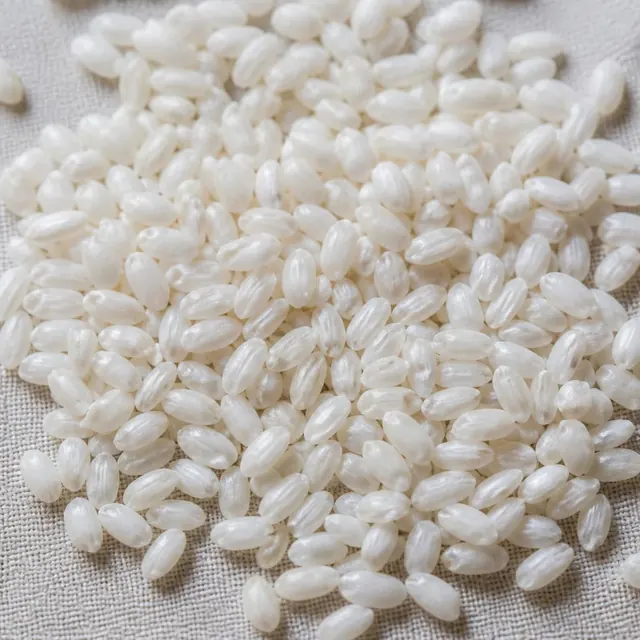
AI illustration Bomba rice
International
Spanish round-grain rice that soaks up a lot of stock as it cooks – one of the traditional paella rices.
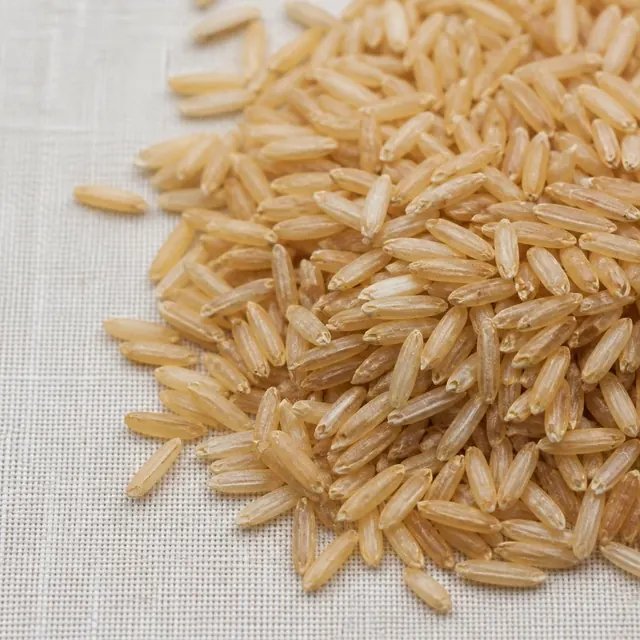
AI illustration Brown rice
International
Whole-grain or brown rice with only the husk removed, keeping its bran layers and germ.
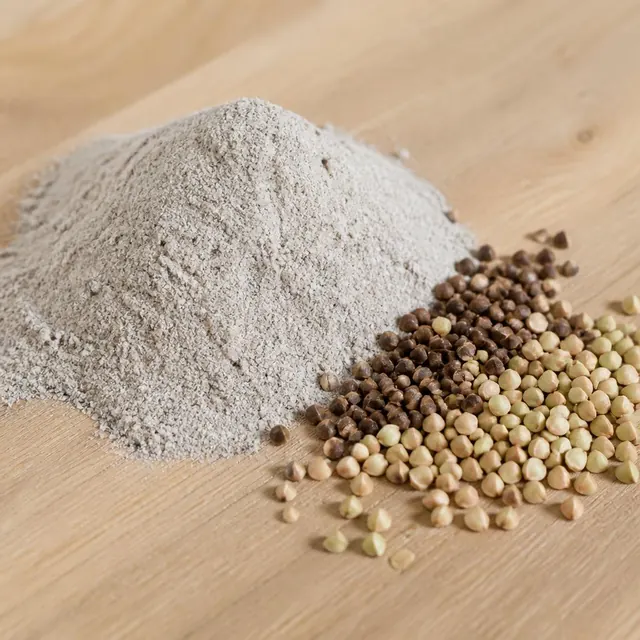
AI illustration Buckwheat flour
French cuisine
Flour from buckwheat, a pseudocereal of the knotweed family; naturally gluten-free, it is the flour of the Breton galette.
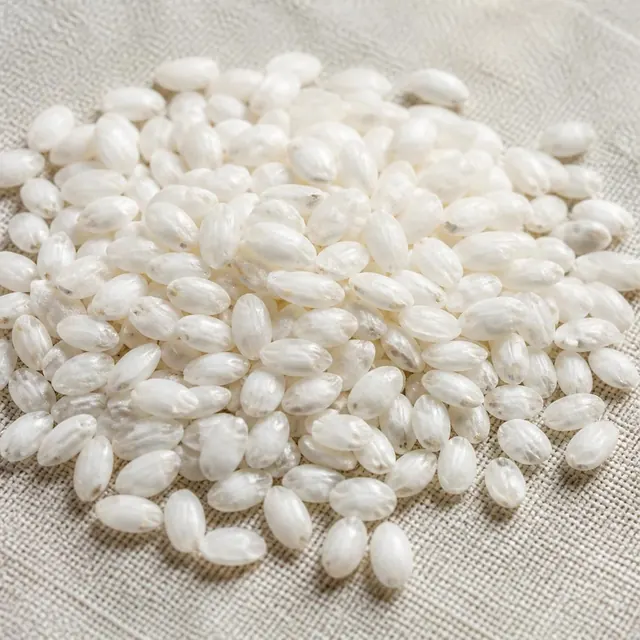
AI illustration Carnaroli rice
Italian cuisine
Italian rice with a long, slightly tapered grain and a firm core, regarded as one of the best for risotto.
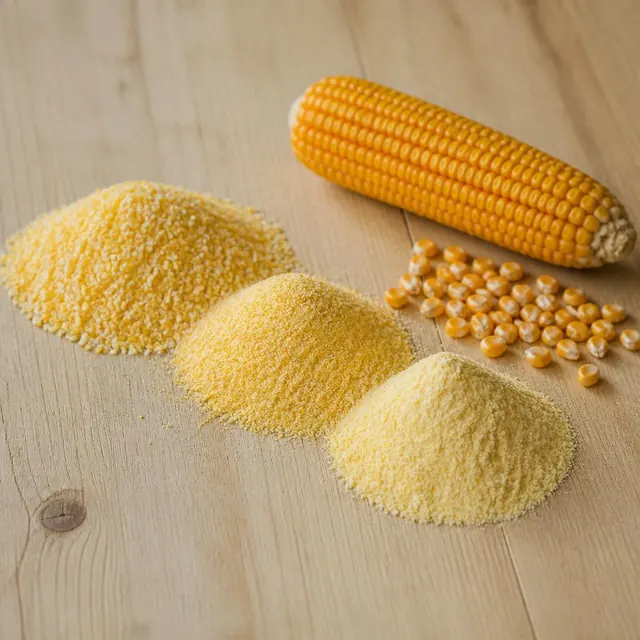
AI illustration Cornmeal for polenta
Italian cuisine
Ground maize in several grinds – from coarse bramata for classic polenta to very fine fumetto for baking and coating.
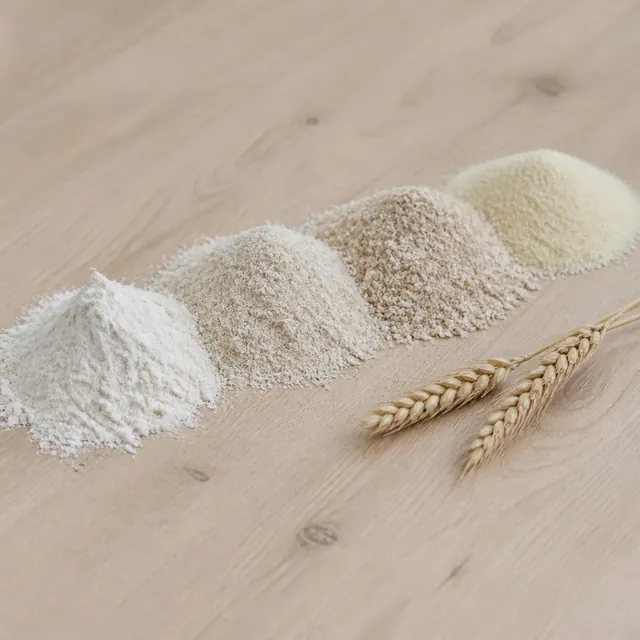
AI illustration Czech wheat flours: hladká, polohrubá, hrubá and krupice
Czech cuisine
A Czech peculiarity: wheat flour is graded by particle size into fine, semi-coarse and coarse, alongside fine and coarse semolina (krupice).
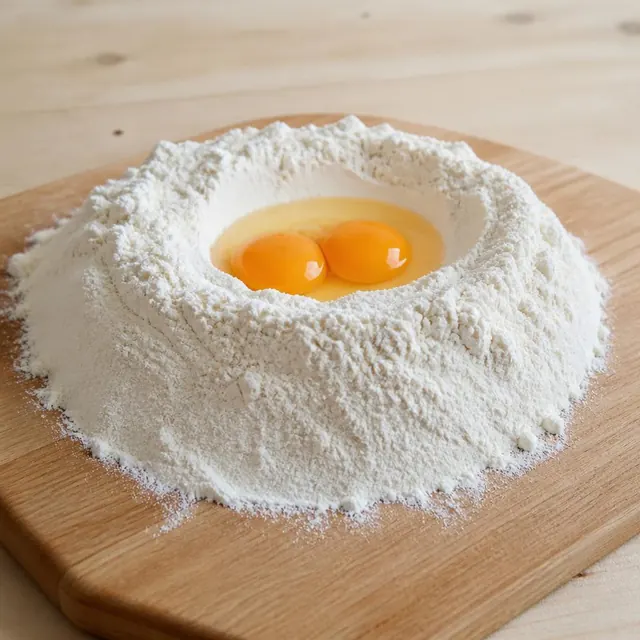
AI illustration Farina tipo 00
Italian cuisine
Italy's whitest soft-wheat flour; the 00 refers to low ash content, not to the flour's strength.
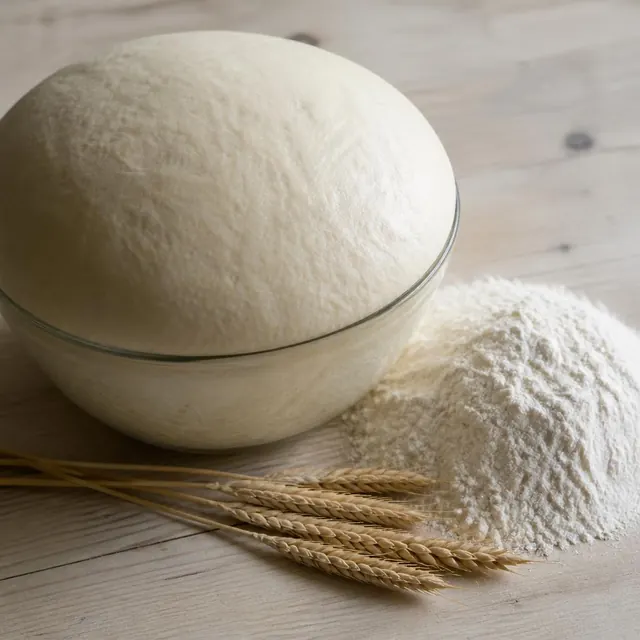
AI illustration Flour strength and Manitoba flour
Flour strength, measured as the W index on the Chopin alveograph, shows how well a dough holds gas; Manitoba is a trade name for very strong flour.
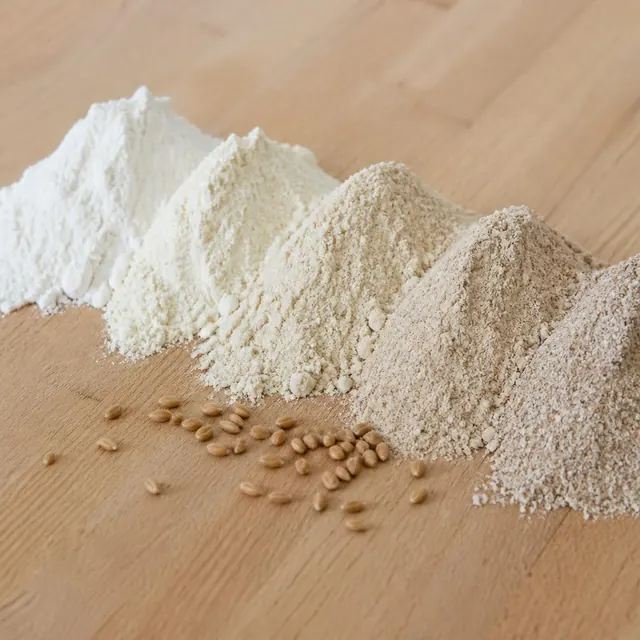
AI illustration Flour types: what the number on the bag means
A flour's type number expresses its ash, i.e. mineral, content – and the countries that use it define it differently.
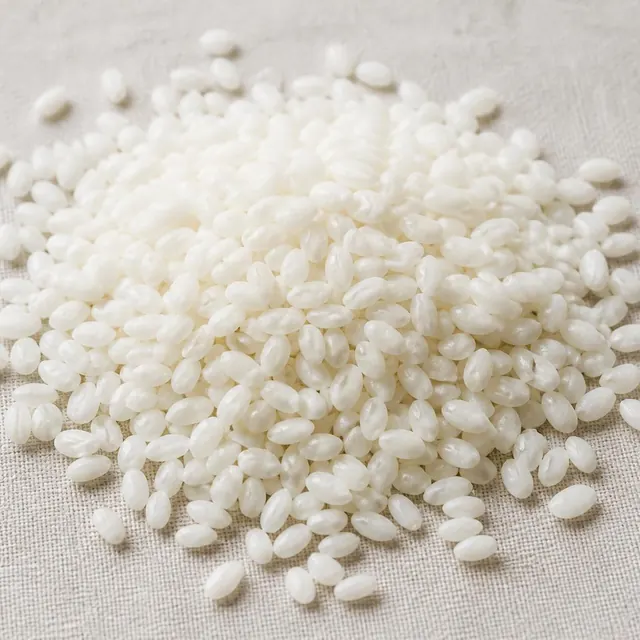
AI illustration Glutinous rice
International
Rice with an opaque white grain and almost no amylose that clumps together when steamed; despite the name it contains no gluten.
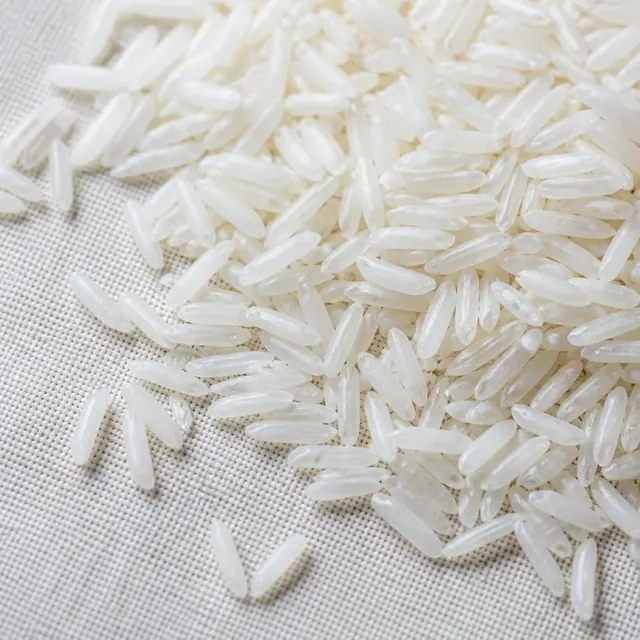
AI illustration Jasmine rice
International
Thai fragrant long-grain Hom Mali rice with a low amylose content, soft when cooked.
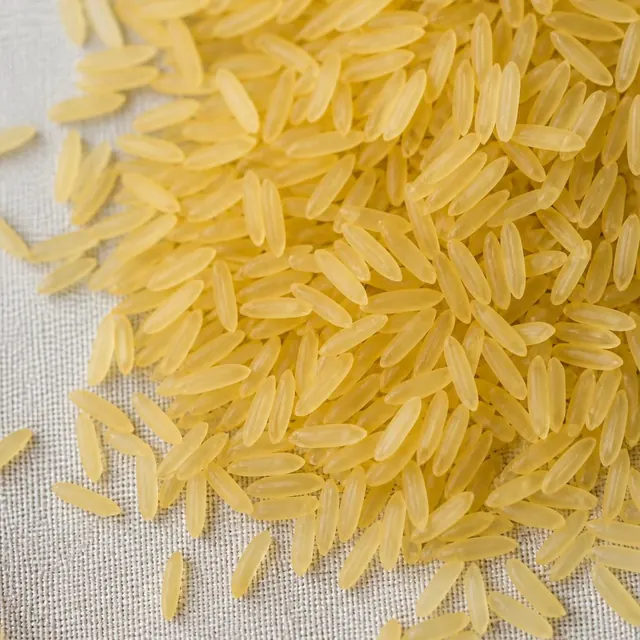
AI illustration Parboiled rice
International
Rice that is soaked, steamed and dried while still in its husk and only then milled; it cooks up separate and does not turn mushy.
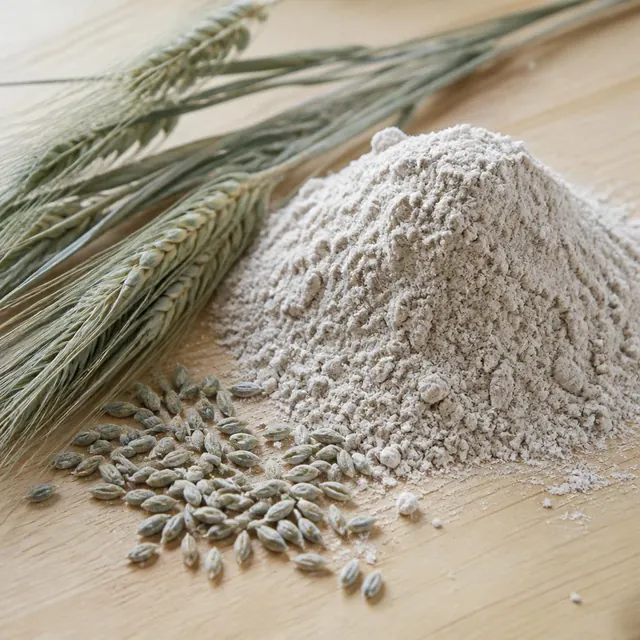
AI illustration Rye flour
Czech cuisine
Flour milled from rye – light, dark bread flour or wholemeal; without souring it will not make a good loaf.
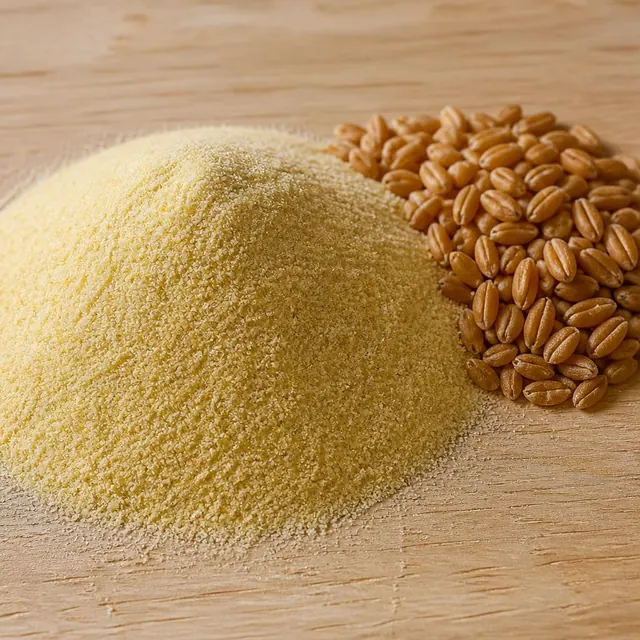
AI illustration Semola rimacinata di grano duro
Italian cuisine
Re-milled durum wheat semolina that Italian law reserves for bread-making and retail sale; the basis of Altamura bread.
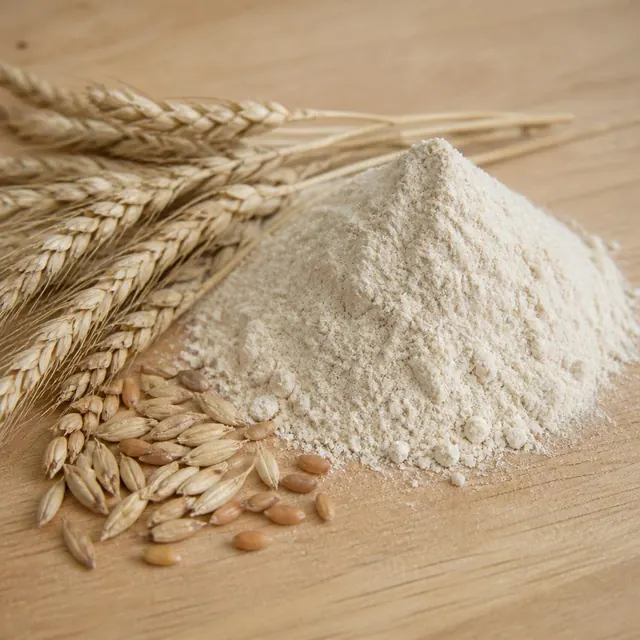
AI illustration Spelt flour
Flour from spelt, a hulled wheat with weaker, more extensible gluten – good for bread, rolls, pasta and crackers.
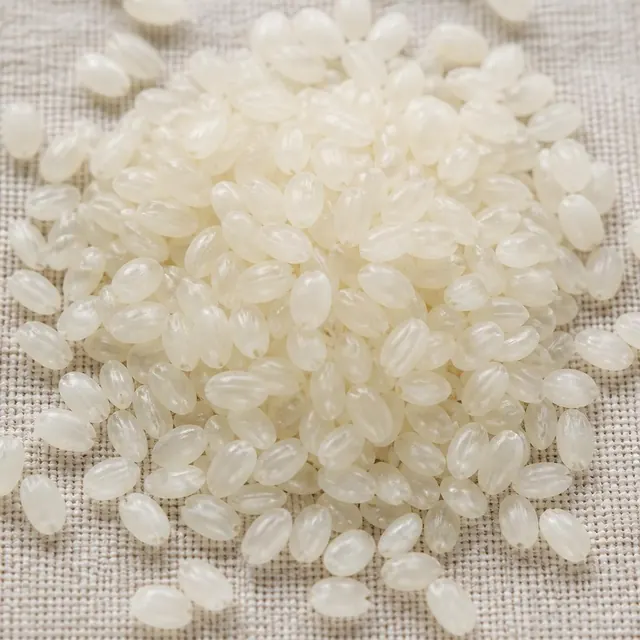
AI illustration Sushi rice
International
Short-grain non-glutinous japonica rice that holds together when cooked; the best-known variety is Koshihikari.
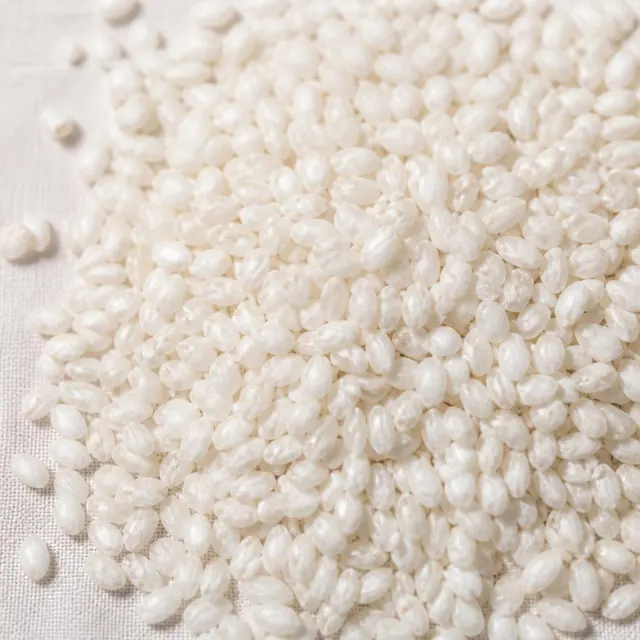
AI illustration Vialone Nano rice
Italian cuisine
Italian japonica rice with a shorter, rounded pearly grain; from defined municipalities of the province of Verona it is also sold as Riso Nano Vialone Veronese PGI.
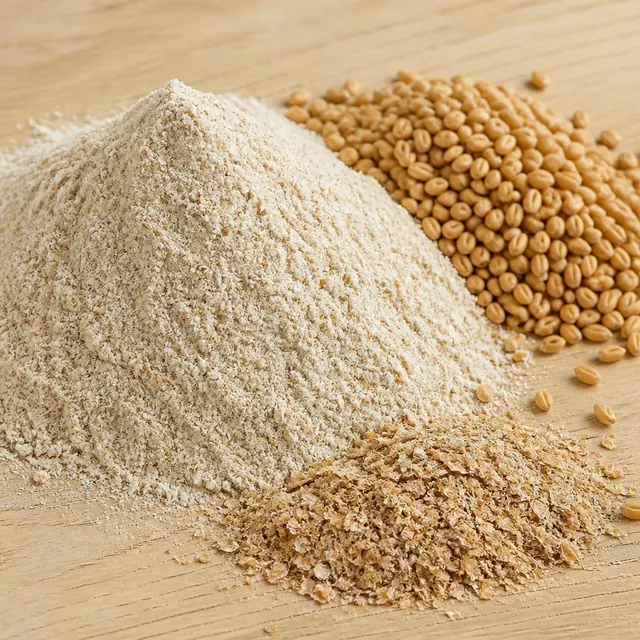
AI illustration Wholemeal flour
Flour from the whole grain including bran and germ – darker and richer in fibre and minerals, but with a shorter shelf life than white flour.