Meat cuts
28 entries
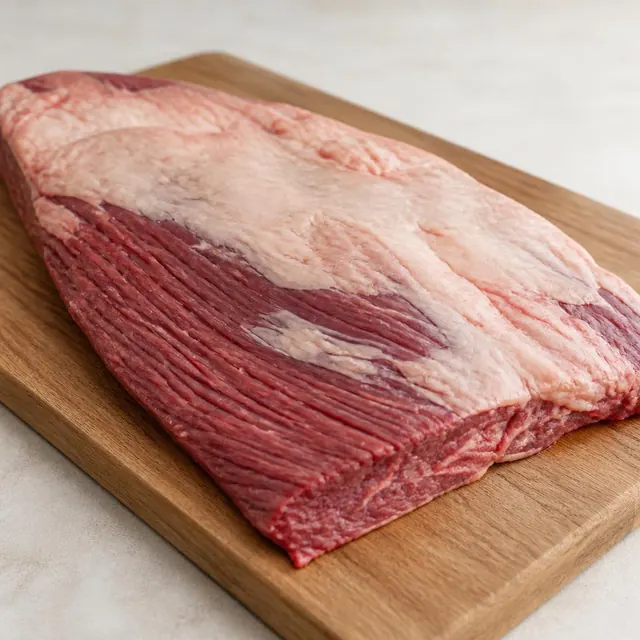
AI illustration Beef brisket
Czech cuisine
The breast of beef with the breastbone – well-marbled meat for boiling, Czech tomato sauce and barbecue.
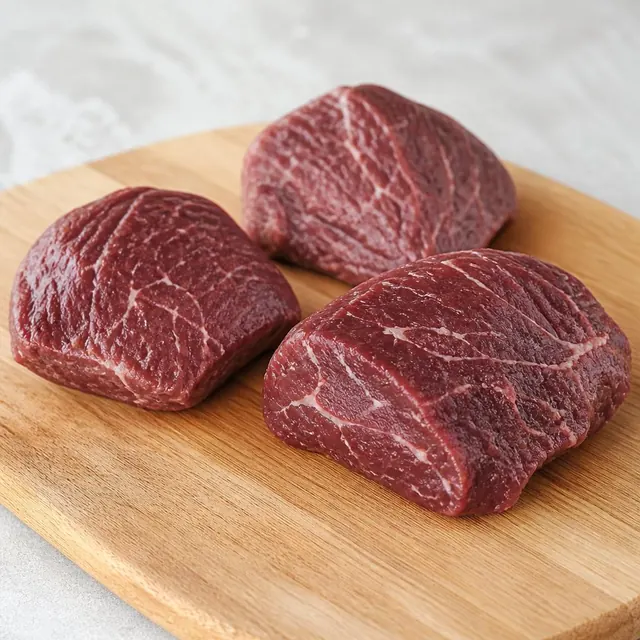
AI illustration Beef cheeks (ox cheek)
Czech cuisine
The chewing muscles of beef – lean but full of connective tissue; long braising makes them silky and tender.
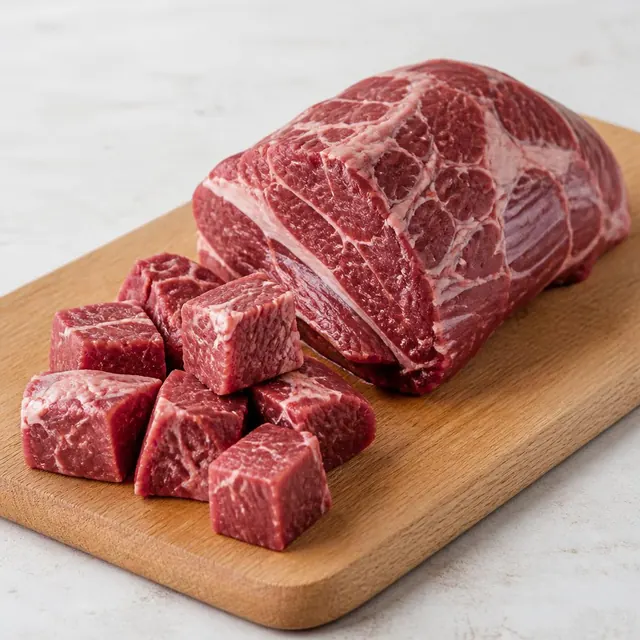
AI illustration Beef neck
Czech cuisine
Marbled meat from the neck of beef, coarse-grained and sinewy – for braising, boiling and mincing.
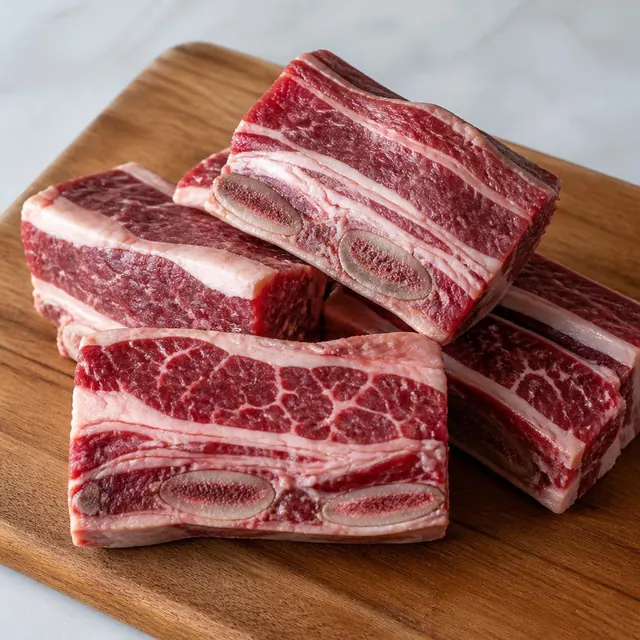
AI illustration Beef ribs (short ribs)
Czech cuisine
Forequarter ribs with the meat between them – well-marbled, for slow grilling, braising and rich stock.
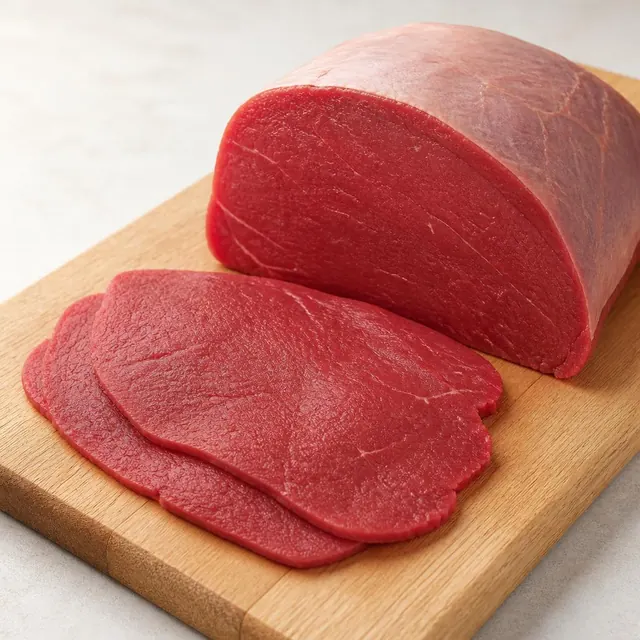
AI illustration Beef round (US) / topside and silverside (UK)
Czech cuisine
The hind leg of beef, split into lean muscles – the usual cut for svíčková, beef roulades and steak tartare.
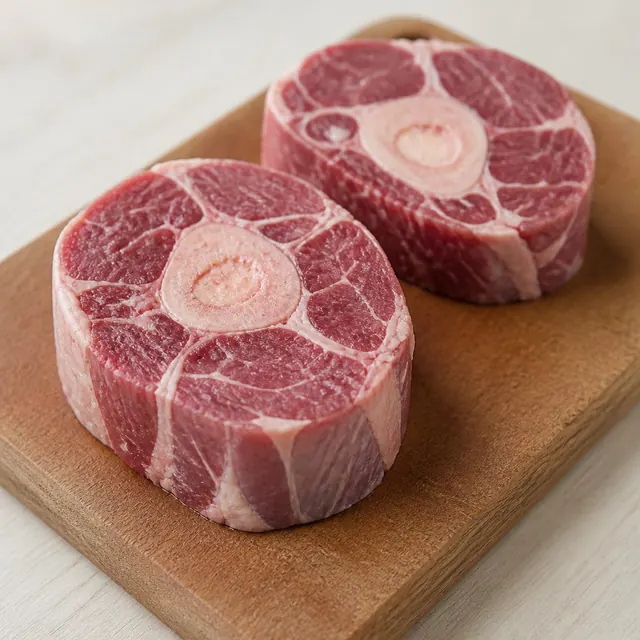
AI illustration Beef shin (UK) / shank (US)
Czech cuisine
Sinewy muscle from the lower legs of beef, below the shoulder and the round – the classic goulash cut.
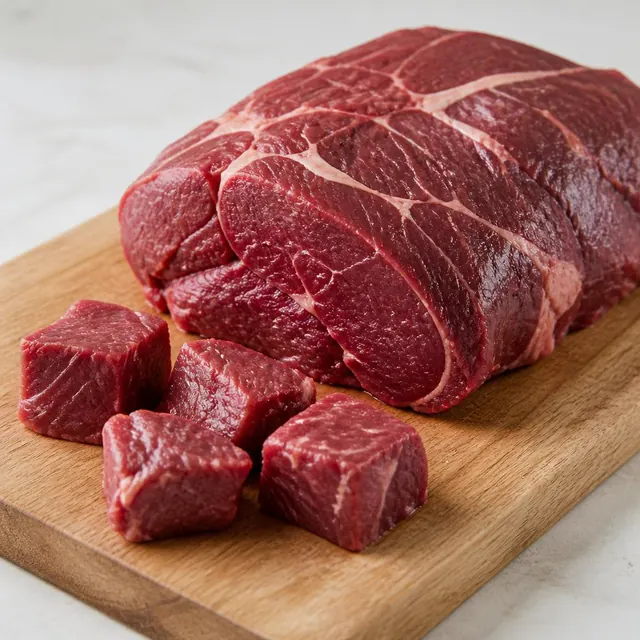
AI illustration Beef shoulder (chuck, clod)
Czech cuisine
The upper foreleg of beef around the blade bone – meat for goulash, braises, beef bourguignon and false tenderloin.
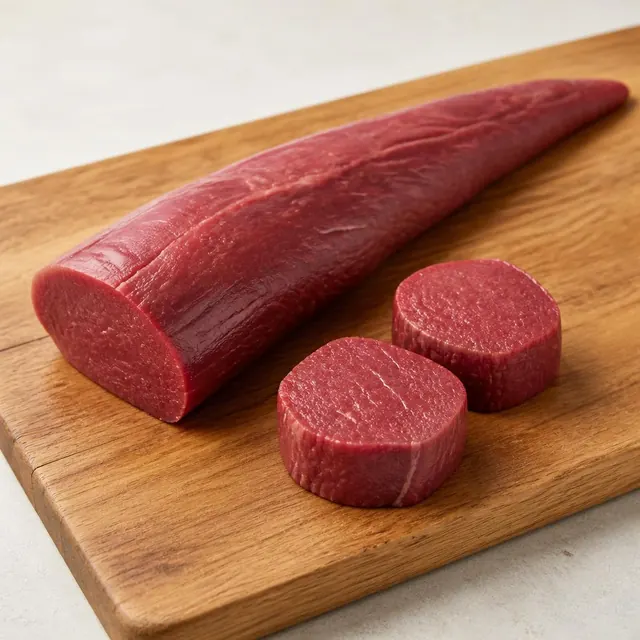
AI illustration Beef tenderloin (fillet)
International
The most tender beef cut – a barely used muscle beneath the lumbar spine, source of filet mignon and chateaubriand.
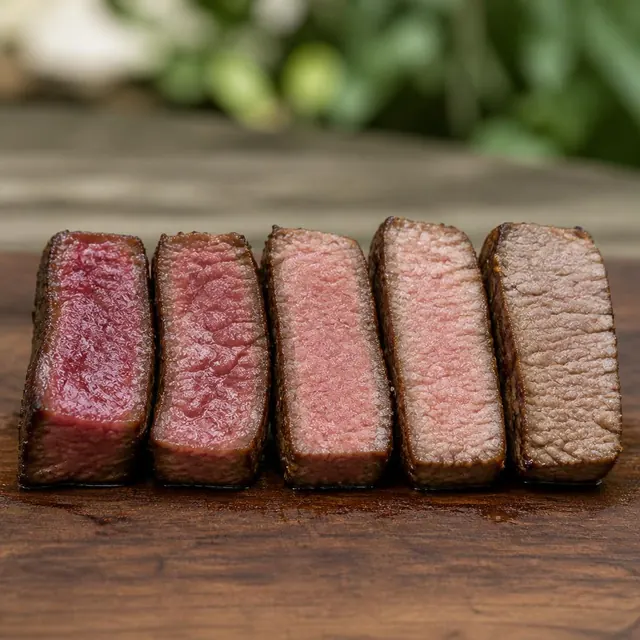
AI illustration Doneness
From rare to well done: the doneness of a steak is best judged by the core temperature of the meat.
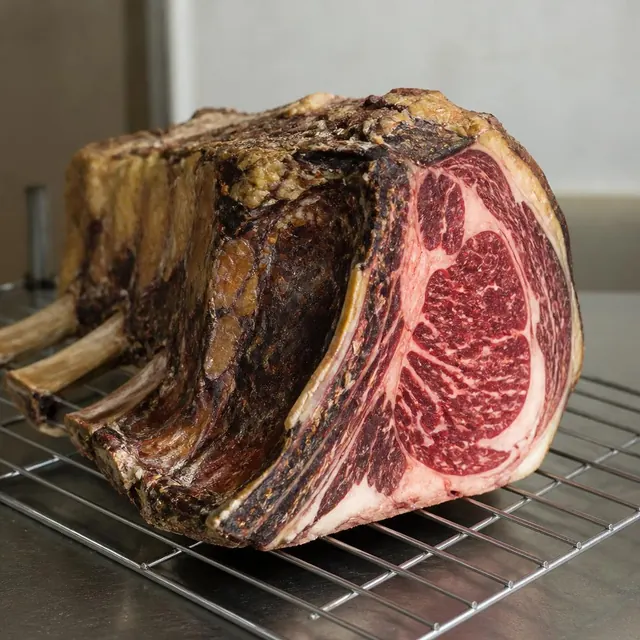
AI illustration Dry aging
Aging unpackaged beef in a cooler: the meat loses water, concentrates its flavour and forms a crust on the surface.
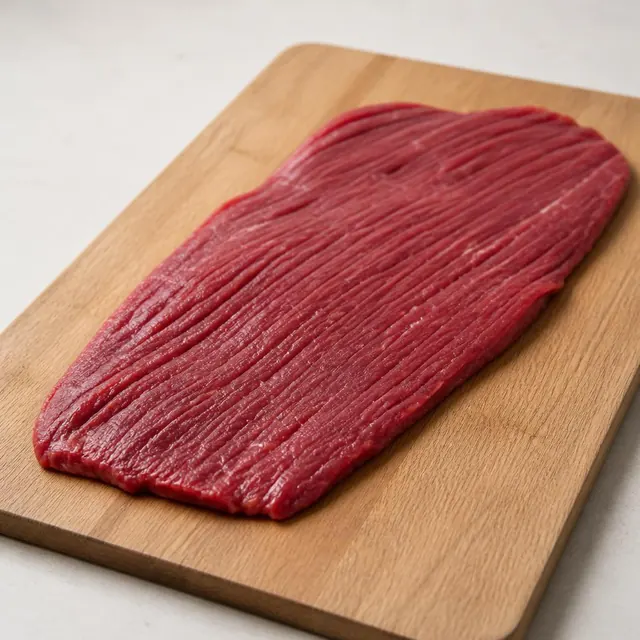
AI illustration Flank steak
International
A flat, lean steak from the abdominal wall with coarse grain and full flavour – for marinades, the grill and thin slices.
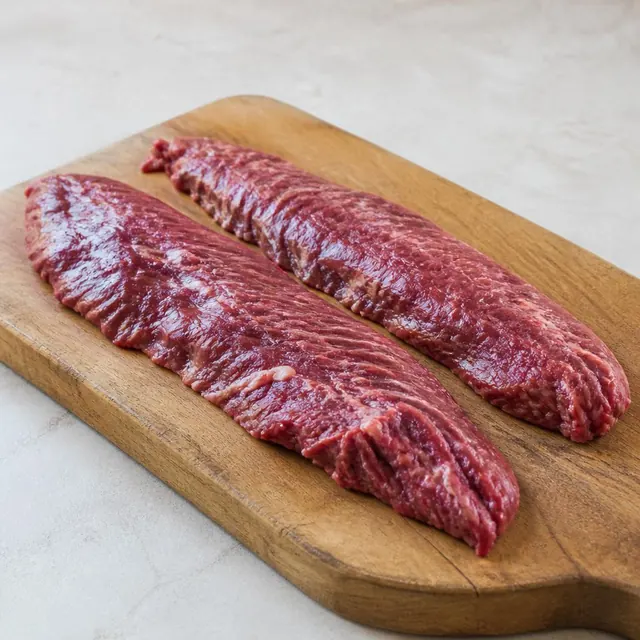
AI illustration Hanger steak
International
A thick muscle from the lumbar part of the diaphragm near the kidneys – the French onglet with bold flavour and coarse grain.
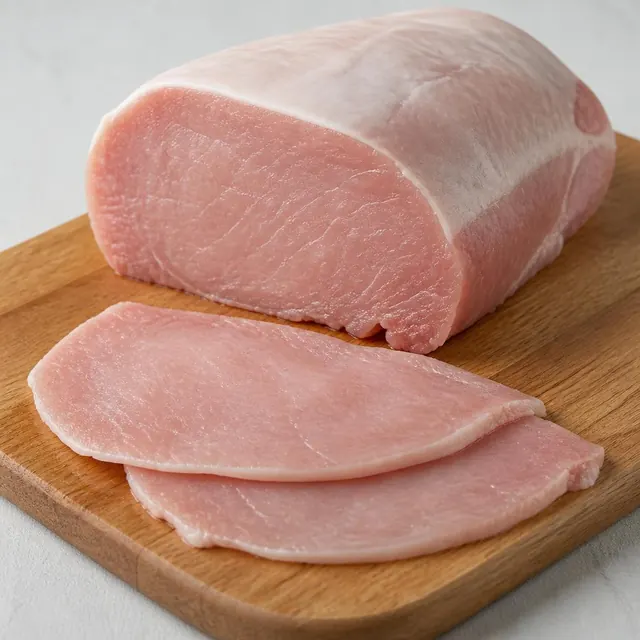
AI illustration Leg of pork
Czech cuisine
The hind leg of the pork side, divided into muscles – lean meat for schnitzels, roasts and quick pan dishes.
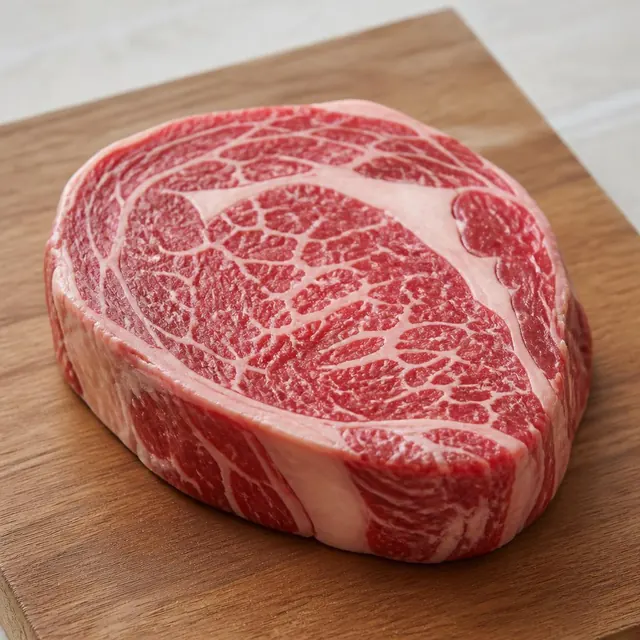
AI illustration Marbling
Intramuscular fat in fine streaks, used to grade beef quality in the United States and in Japan.
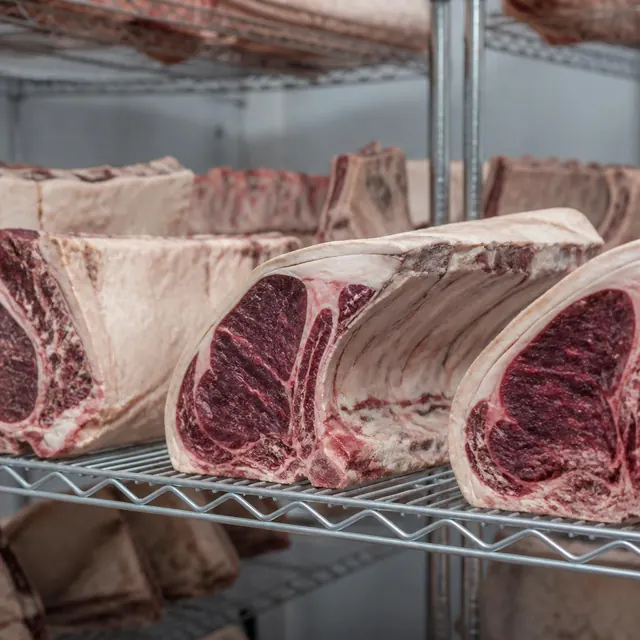
AI illustration Meat aging
Controlled cold storage of meat in which the muscle's own enzymes make it more tender and change its flavour.
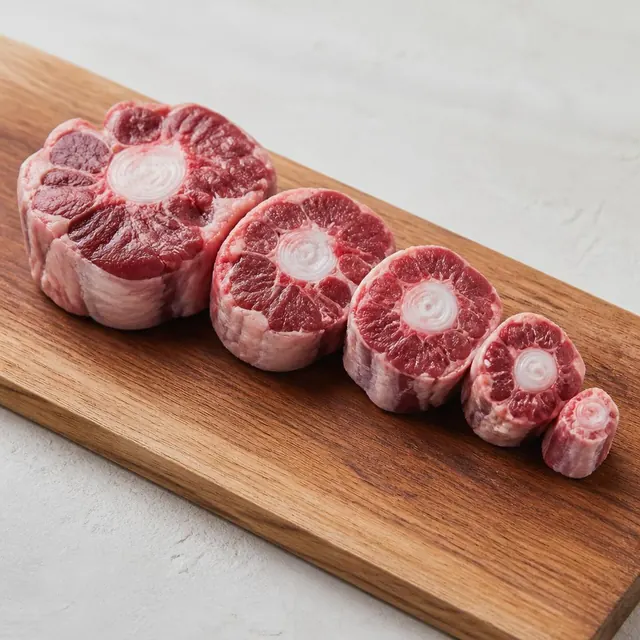
AI illustration Oxtail
Czech cuisine
The tail of beef, on the bone and rich in gelatine – the base of very strong stocks and braised dishes.
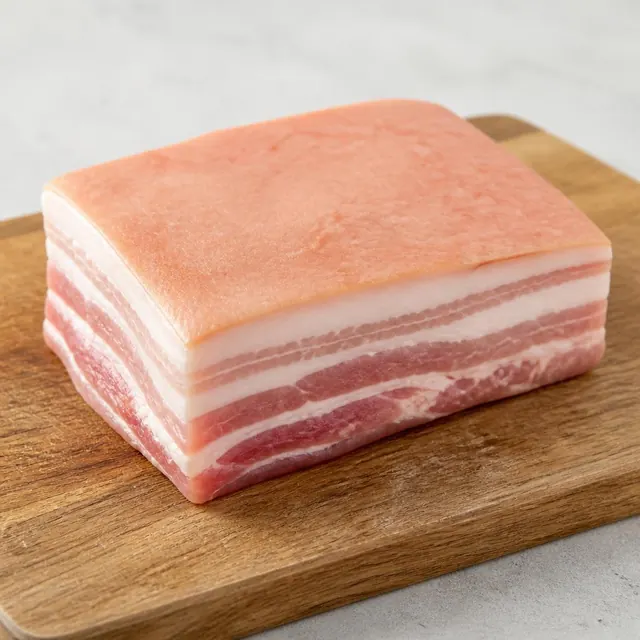
AI illustration Pork belly
Czech cuisine
The fatty underside of the pork side with ribs and rind – for roasting, rolled roasts, stuffed belly and ribs.
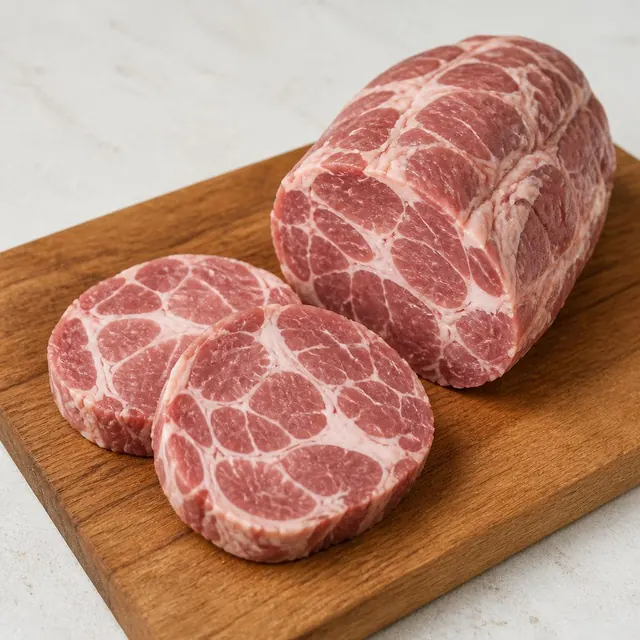
AI illustration Pork collar (neck)
Czech cuisine
The marbled neck of the pork side, between the head and the loin – juicy for roasting, grilling and richer schnitzels.
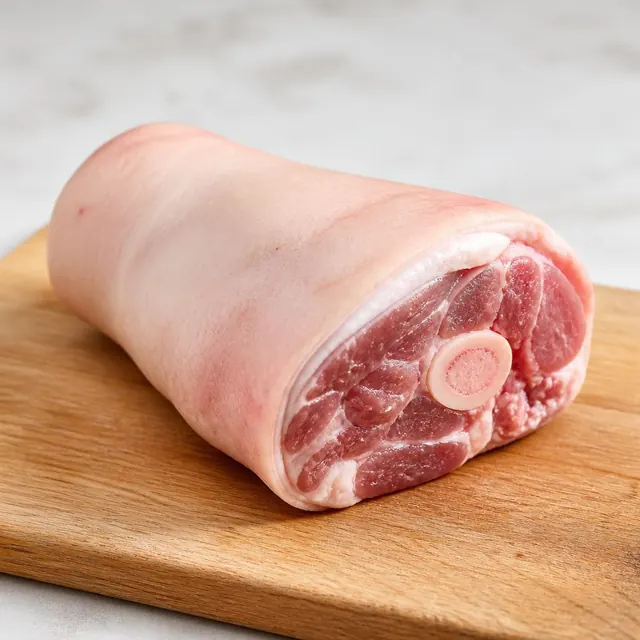
AI illustration Pork hock (shank)
Czech cuisine
The front and hind hock of the pork side, on the bone with rind – for roasting, boiling, smoking and brawn.
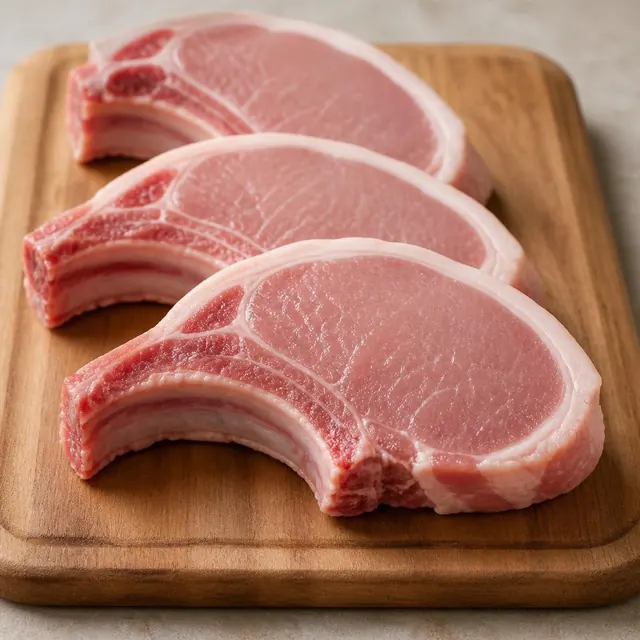
AI illustration Pork loin (chops)
Czech cuisine
The back of the pork side with the long back muscle – lean meat for chops, schnitzels and whole roasts.
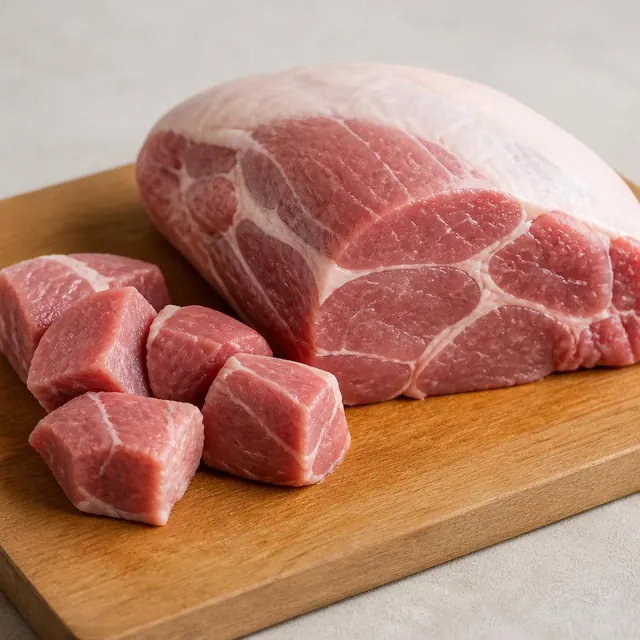
AI illustration Pork shoulder
Czech cuisine
The upper foreleg of the pig around the blade bone – all-round meat for roasts, goulash and vepřo knedlo zelo.
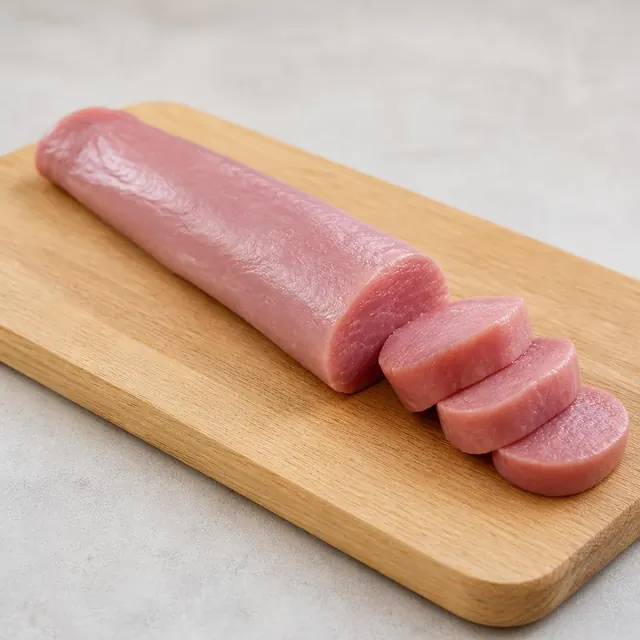
AI illustration Pork tenderloin (UK: fillet)
Czech cuisine
A small, completely lean muscle on the inside of the loin – for medallions and quick pan dishes.
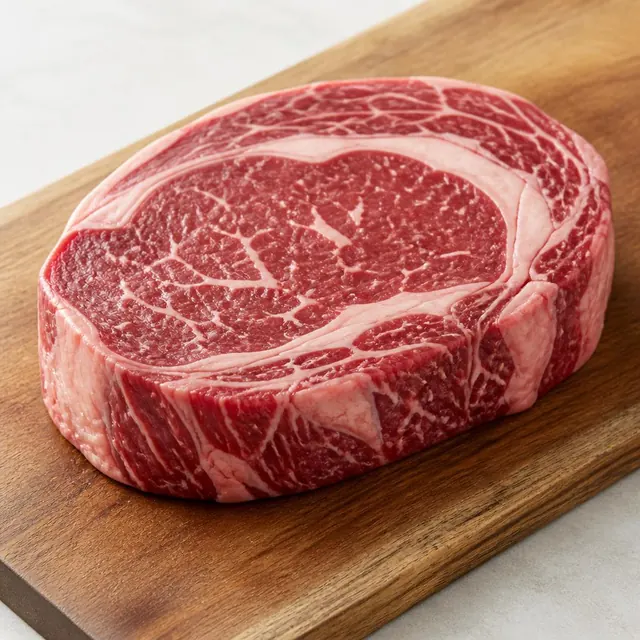
AI illustration Ribeye
International
A marbled cut from the front of the back behind the shoulder – ribeye and entrecôte, bone-in côte de bœuf and tomahawk.
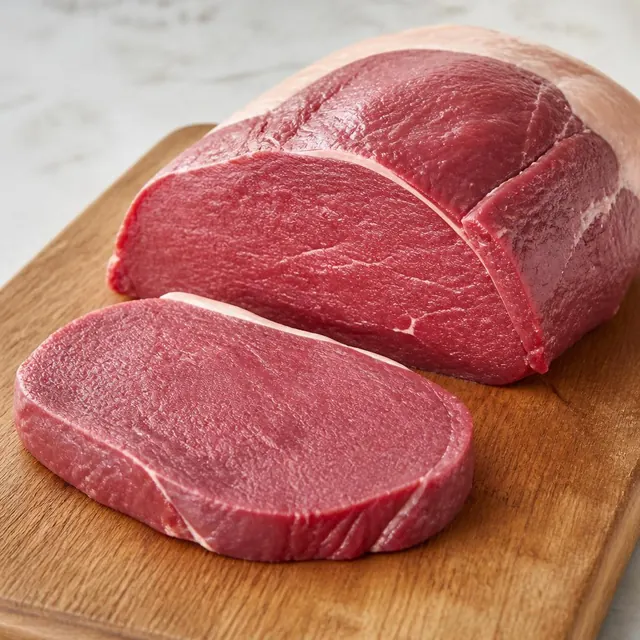
AI illustration Rump
International
A separate muscle group of the beef leg, from the rump where the loin meets the leg – for large steaks, roast beef and braising.
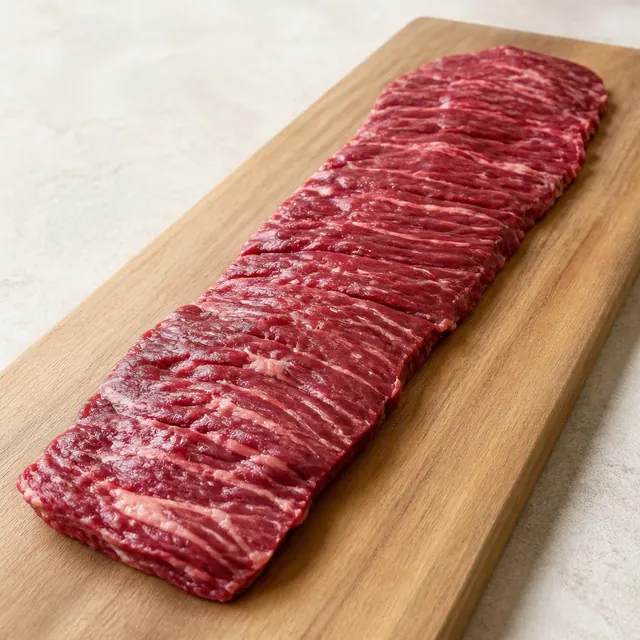
AI illustration Skirt steak
International
A long, flat cut from the diaphragm and abdominal wall with coarse grain – the meat for arrachera and fajitas.
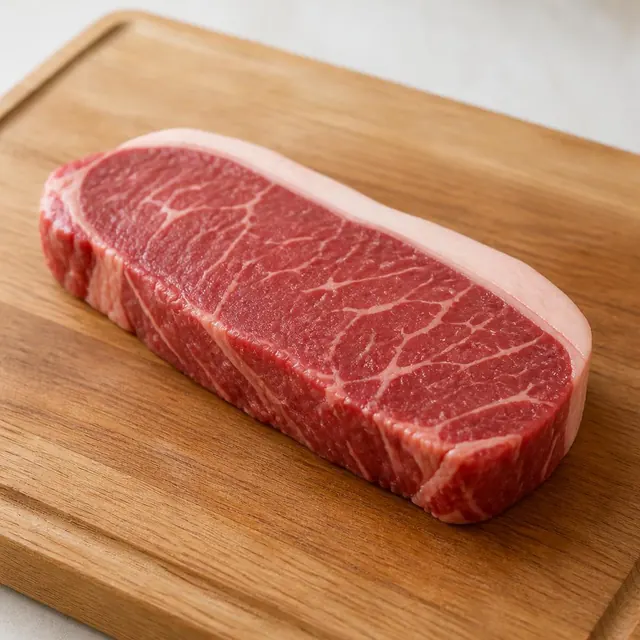
AI illustration Striploin (New York strip)
International
A leaner steak cut from the rear of the back with a fat edge – strip, sirloin and the German Rumpsteak.
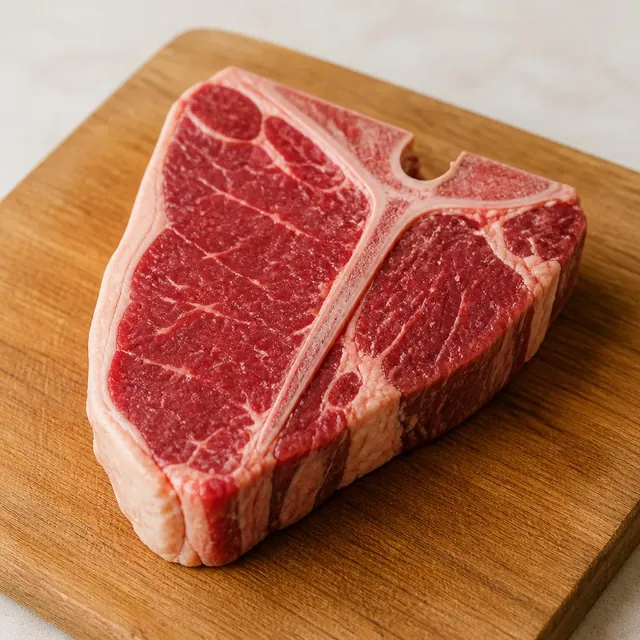
AI illustration T-bone and porterhouse steak
International
A steak on a T-shaped bone: striploin on one side, tenderloin on the other, whose width decides the name.
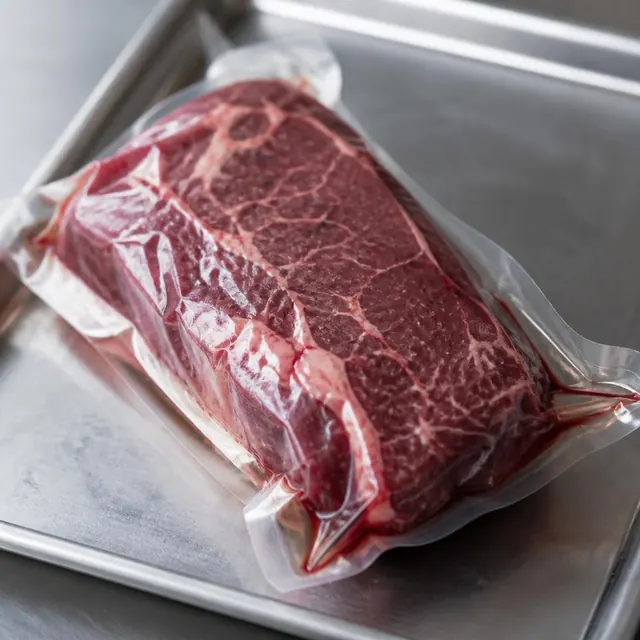
AI illustration Wet aging
Aging beef in vacuum packaging: the meat becomes tender without drying out or forming a crust, with much higher yield.